Dental Implants vs Bridges vs Dentures: Which Is Right for You?
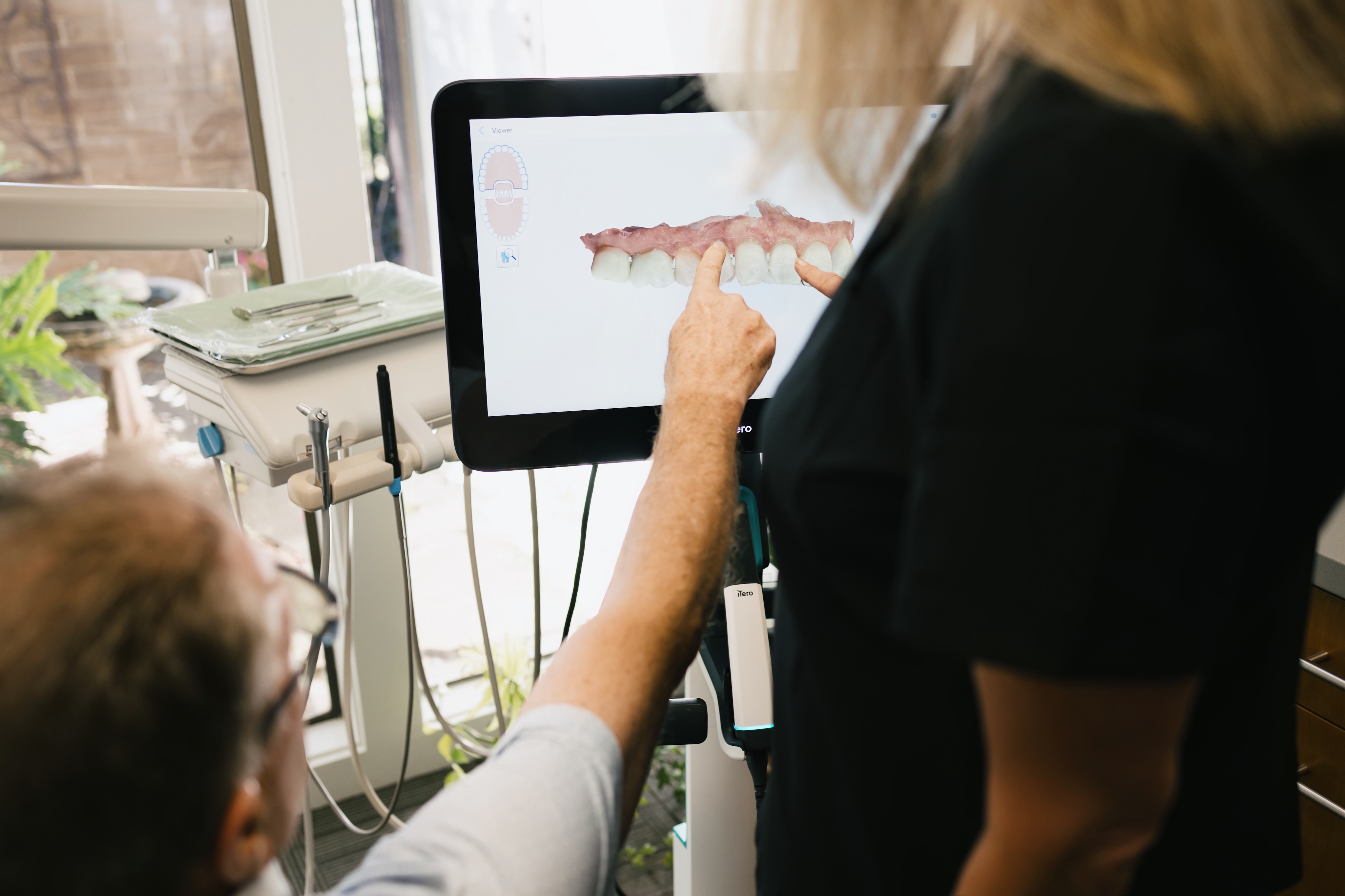
When you lose a tooth, you have three main replacement options: dental implants, bridges, and dentures. Each approach works differently and offers distinct advantages depending on your specific situation.
Dental implants involve placing a titanium post into your jawbone that fuses with the bone through a process called osseointegration. This creates a stable foundation for a replacement tooth. Bridges use adjacent teeth as anchors to support a replacement tooth in between. Dentures are removable appliances that rest on your gums and can replace one tooth, several teeth, or a full arch.
At Santa Rosa Dental Suite, Dr. William Plaugher evaluates each patient's bone health, adjacent teeth condition, medical history, and personal preferences to recommend the most appropriate treatment. Understanding how these options work and what to expect can help you make an informed decision about your oral health.
Continue reading to learn about each option's benefits, maintenance requirements, and which situations they work best for.
Quick Overview
- Dental implants are titanium posts placed in the jawbone that fuse with bone tissue and function most similarly to natural teeth.
- Bridges are fixed prosthetics that anchor to adjacent teeth and work well when neighboring teeth already need restoration.
- Dentures are removable appliances that rest on gums and can replace single teeth, multiple teeth, or entire arches.
- Each option requires different maintenance approaches, from routine brushing and flossing to special cleaning techniques.
- The best choice depends on your bone health, adjacent teeth condition, medical history, and personal preferences.
What Are Dental Implants and How Do They Work?
A dental implant is an artificial tooth root made of titanium that we surgically place into your jawbone. Over several months, the implant fuses with your bone through a process called osseointegration. This biological integration allows the implant to function similarly to your natural tooth root.
Single implants replace individual missing teeth, while multiple implants can support bridges or full dentures. All-on-4 implants use four strategically placed implants to support an entire arch of teeth. The titanium material is biocompatible, meaning your body accepts it as part of your natural structure.
How Do Dental Bridges Replace Missing Teeth?
A dental bridge connects to the teeth on either side of the gap where you're missing a tooth. We prepare these neighboring teeth by reshaping them, then take impressions to create a connected unit that includes crowns for the anchor teeth and artificial teeth (called pontics) to fill the empty space.
We offer different types of bridges depending on your specific situation:
- Traditional bridges: Require healthy teeth on both sides of the gap for support
- Cantilever bridges: Anchor to teeth on just one side when only one adjacent tooth is available
- Maryland bridges: Use a more conservative approach, bonding to the back surfaces of adjacent teeth without requiring full crowns
Once we cement the bridge in place, it becomes a permanent part of your mouth. You cannot remove it for cleaning, which means it feels stable during eating and speaking. However, you will need to use special flossing techniques to clean underneath the pontics where food particles can collect.
What Types of Dentures Are Available?
Dentures are designed to replace missing teeth and restore your ability to eat and speak comfortably. The type of denture that works best for you depends on how many teeth need replacement and your specific oral health situation.
- Partial dentures: Replace some missing teeth while keeping your remaining natural teeth, using clasps or attachments to stay secure
- Complete dentures: Replace all teeth in your upper or lower jaw and stay in place through suction and proper fit
- Conventional dentures: Made after your gums have healed completely from any tooth extractions
- Immediate dentures: Placed the same day as tooth removal, with adjustments made as your mouth heals
- Implant-supported dentures: Attach to dental implants for improved stability and function
At Santa Rosa Dental Suite, we offer both removable implant-supported dentures that you can take out for cleaning, and fixed options that remain permanently attached to implants. Dr. Plaugher will evaluate your bone health, remaining teeth, and personal preferences to determine which denture option will work best for your situation.
Which Option Lasts the Longest?
Dental implants generally offer the longest lifespan of tooth replacement options. With proper care and maintenance, implants can last many years. The crown portion that sits on top of the implant may need replacement over time due to normal wear, but the implant itself typically remains stable.
Bridges can provide years of reliable service when properly maintained. The lifespan depends largely on the health of the anchor teeth and your oral hygiene habits. If decay or gum disease affects the supporting teeth, the entire bridge may need replacement.
Traditional dentures typically require replacement more frequently than other options. Your jawbone changes shape over time after tooth loss, causing dentures to become loose and uncomfortable. Even with adjustments and relines, complete replacement eventually becomes necessary.
What Are the Success Rates and Common Complications?
Dental implants have proven to be a reliable tooth replacement option when placed in appropriate candidates. Most implant complications occur within the first year and are typically related to healing issues or infection. Several factors can affect implant success:
- Smoking: Reduces blood flow and impairs healing
- Uncontrolled diabetes: Affects the body's ability to heal and fight infection
- Insufficient bone density: May require bone grafting before implant placement
- Poor oral hygiene: Can lead to peri-implantitis (gum disease around implants)
Bridge complications often involve the supporting teeth rather than the bridge itself. Decay under crowns, root canal needs in anchor teeth, and gum disease around bridge margins are the most common issues. These problems can often be prevented with excellent oral hygiene and regular dental visits.
Common denture complications include:
- Sore spots: Pressure points that develop as your mouth adjusts
- Eating difficulties: Reduced chewing efficiency compared to natural teeth
- Gradual bone loss: Affects fit over time and changes facial structure
- Speech changes: May affect pronunciation until you adapt
How Do Maintenance Requirements Compare?
Dental implants require care similar to natural teeth. You brush, floss, and attend regular dental visits. We may recommend special interdental brushes or water flossers to clean around the implant crown effectively. Professional cleanings help maintain healthy gums around implants.
Bridges require modified oral hygiene techniques. The connection between bridge units makes traditional flossing impossible, so you'll need:
- Floss threaders: To guide floss under the pontics
- Water flossers: To flush out food particles and bacteria
- Special brushes: To clean around bridge margins
- Regular checkups: To monitor the health of supporting teeth
Denture care involves a different routine. You remove them daily for thorough cleaning with special denture brushes and cleansers, clean your gums and any remaining teeth, and soak dentures overnight. Regular dental visits remain important for adjustments and oral health monitoring.
What About Cost Considerations?
Cost varies significantly between these tooth replacement options. Dental implants require the highest initial investment but often provide excellent long-term value due to their durability and longevity.
Bridges typically cost less initially than implants but more than dentures. The total investment depends on the number of teeth being replaced and the materials selected. Bridges may require replacement over time, which affects the overall cost.
Dentures generally have the lowest initial cost but involve ongoing expenses for adjustments, relines, cleaning products, and eventual replacement. These recurring costs accumulate over the years.
During your consultation at Santa Rosa Dental Suite, we'll discuss the specific costs for your situation and help you understand the investment involved with each option.
Which Option Works Best for Different Situations?
Single missing teeth are often well-suited for dental implants, particularly when you want to preserve the health of adjacent teeth. Bridges work well when the adjacent teeth already need crowns due to large fillings or other dental work.
Multiple missing teeth present different considerations:
- Implant-supported bridges: Replace several teeth without affecting additional healthy teeth
- Partial dentures: Offer a removable option for patients who may not be candidates for surgery
- Individual implants: Provide independent replacement for each missing tooth
Complete tooth loss scenarios may benefit from implant-supported solutions like All-on-4, which provides enhanced stability and function. Traditional dentures remain a viable option for patients with certain medical conditions or those who prefer a non-surgical approach.
How We Determine the Best Option for You
At Santa Rosa Dental Suite, our evaluation process begins with a comprehensive examination that includes digital X-rays and cone beam CT imaging when necessary. This technology allows us to assess bone density, evaluate the condition of surrounding teeth, and understand your overall oral health picture.
We review your complete medical history, current medications, and any health conditions that might affect healing or treatment outcomes. Factors such as diabetes management, smoking habits, and bone density all play important roles in determining which tooth replacement option will serve you best long-term.
Your personal preferences and lifestyle needs are equally important in this decision. We take time to understand what matters most to you—whether that's avoiding surgery, minimizing maintenance requirements, or achieving the most natural feel possible. Dr. Plaugher will explain each option thoroughly and help you make an informed choice that aligns with your health, budget, and goals.
What Should You Expect During Treatment?
Dental implant treatment involves multiple appointments over several months. The typical process includes:
- Initial planning: Comprehensive examination and treatment planning
- Bone grafting: If needed to ensure adequate bone support
- Implant placement: Surgical placement of titanium post
- Healing period: Time for osseointegration to occur
- Crown placement: Final restoration attachment
Most patients experience manageable discomfort and can return to normal activities within a few days of each procedure.
Bridge treatment typically requires several visits over a few weeks:
- Tooth preparation: Reshaping anchor teeth and taking impressions
- Temporary bridge: Protecting prepared teeth while lab creates final bridge
- Final placement: Cementing the completed bridge
The process is generally comfortable with local anesthesia, and most patients adapt well to their new bridge.
Denture treatment timelines vary based on whether you need extractions first. Immediate dentures can be placed the same day as extractions, while conventional dentures require healing time first. Multiple adjustment appointments are normal as your mouth adapts to the new appliance.
Ready to Explore Your Options?
Choosing the right tooth replacement option is a personal decision that depends on your unique situation, health, and preferences. Each approach—implants, bridges, and dentures—serves different needs, and there's no single "best" choice for everyone.
At Santa Rosa Dental Suite, we understand that making this decision can feel overwhelming. Dr. Plaugher takes time during consultations to thoroughly examine your oral health, discuss your concerns, and explain which options might work best for your specific situation. We use advanced imaging when needed to give you a complete picture of your oral health.
If you're considering tooth replacement options, we encourage you to schedule a consultation where we can answer your questions and help you understand what might work best for you. Every patient's situation is different, and we're here to help you make an informed decision about your oral health care.
Contact Us
Call or text us at 707.544.2696, or request an appointment online. We'll be in touch soon.